Health & Safety Policy for Local Driveway Cleaners
 Purpose: This Health and Safety policy sets out the standards, responsibilities and safe working practices for a local driveway cleaners team operating alongside a gardening company service area. The aim is to protect staff, clients, contractors and the public while delivering driveway cleaning, pressure washing and surface maintenance. The policy applies to all operations, from residential driveway cleaning services to larger communal hardscape projects.
The policy emphasises risk assessment, training and supervision. It recognises that driveway and patio cleaning often takes place in domestic settings, so safe access, environmental protection and interaction with household members are central considerations. Staff must be aware of hazards such as slip risks, chemical exposure, manual handling and traffic movement when working near roads or driveways.
Scope and responsibilities
Managers are accountable for ensuring the policy is implemented. Supervisors and team leaders must carry out site checks and confirm risk controls. Operatives, including mobile driveway cleaning crews, are required to follow safe systems of work, wear the correct PPE and report hazards. All personnel must take reasonable care of their own health and safety and cooperate with safety measures.Risk assessment and planning
Prior to any job, a documented risk assessment must be completed. This includes identifying trip and slip hazards, locating underground services, assessing surface conditions (e.g., loose stones, moss), and evaluating water run-off, particularly when using detergents or biocides. The assessment should be proportionate to the size of the job and recorded on the company’s standard form. Controls will include marking hazardous zones, controlling pedestrian access, using signage and barriers, implementing traffic management where necessary, and selecting appropriate equipment such as low-pressure washers for delicate surfaces. For work within a gardening company service area, coordination with gardeners and landscapers ensures machinery and personnel movements are managed safely.
Specific attention must be given to chemical safety. Only approved cleaning agents may be used and they should be stored, mixed and applied according to manufacturer instructions. Appropriate material safety data sheets (MSDS) or technical data sheets should be available to operatives, and substitutes used where environmental sensitivity is identified.
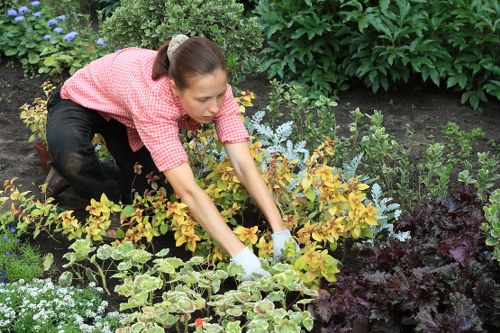
Personal Protective Equipment (PPE) Staff must be provided with and wear suitable PPE including, but not limited to: protective gloves, eye protection, hearing protection where appropriate, non-slip footwear and high-visibility clothing when near vehicle movement. For pressure washing tasks, full-face shields or splash goggles and waterproofs are often required to prevent injury from spray and debris.
Safe use of equipment: Pressure washers, surface cleaners and powered tools must be maintained, inspected before use and operated only by trained personnel. Lock-off procedures apply when servicing equipment, and electrical safety measures are mandatory when using electric-powered machines outdoors. Petrol-powered units should be refuelled away from ignition sources and in well-ventilated areas.
 Manual handling and ergonomics Operations often involve lifting equipment, moving hoses and handling waste. Teams should use mechanical aids where possible and adopt safe lifting techniques. Tasks should be rotated to reduce repetitive strain, and any staff with pre-existing conditions must inform supervisors so adjustments can be made.
![A woman with blonde hair, dressed in a blue checkered shirt and yellow gardening gloves, is tending to a garden bush with reddish-purple leaves. She is smiling gently while carefully pruning or examining the plant in a well-maintained outdoor landscaped garden, featuring a lush green lawn, a variety of shrubs, and mature trees in the background. The environment appears bright and sunny, with natural light illuminating the scene, indicating a typical day in a residential garden in or near [TOWN], postal code [POSTCODE]. This outdoor space is indicative of professional gardening and landscaping standards, supported by the work of a local gardening service such as Local driveway cleaners, and showcases the lush, healthy foliage and neat plant arrangements characteristic of well-kept gardens in the UK.](/pub/_photos/gardening/f1401470976.jpg)
Environmental protection and waste
Water runoff must be managed to prevent pollution of drains, watercourses and soft landscaping. Where possible, containment, filtration or low-pressure cleaning methods should be used to reduce contamination. Waste materials such as removed oil stains, chemical residues and debris must be collected and disposed of in accordance with local environmental guidance and company procedures.Training, induction and competence
All new staff must complete an induction covering this policy, basic hazard awareness and emergency procedures. Job-specific training must be documented, including safe use of pressure washers, chemical handling and traffic management. Refresher training should be scheduled regularly and after any incident or equipment update.Incident reporting and continuous improvement: Any accident, near miss or environmental spill must be reported immediately and recorded. Investigations will identify root causes and corrective actions to prevent recurrence. Regular audits and site inspections will monitor compliance and drive improvements in the safety management system.
Emergency procedures Emergency plans must be in place for first aid, fire, spillage and vehicle incidents. First aid kits appropriate to the work must be available and personnel trained to administer first aid. In the event of a significant environmental release or serious injury, emergency services should be contacted and the incident escalated internally.
Management will review this Health and Safety policy annually and when there are significant changes in operations, equipment or personnel. The policy sets minimum standards for the local driveway cleaning workforce and ensures work undertaken within a gardening company service area meets professional safety expectations.
Commitment: The company is committed to protecting the health and safety of employees, clients and the public while delivering reliable driveway maintenance and cleaning services. By following these principles and procedures, teams provide efficient, safe and environmentally responsible driveway cleaning and hard-surface care.